BJJ Belt Order: Every Rank from White to Red, and How Long Each Takes
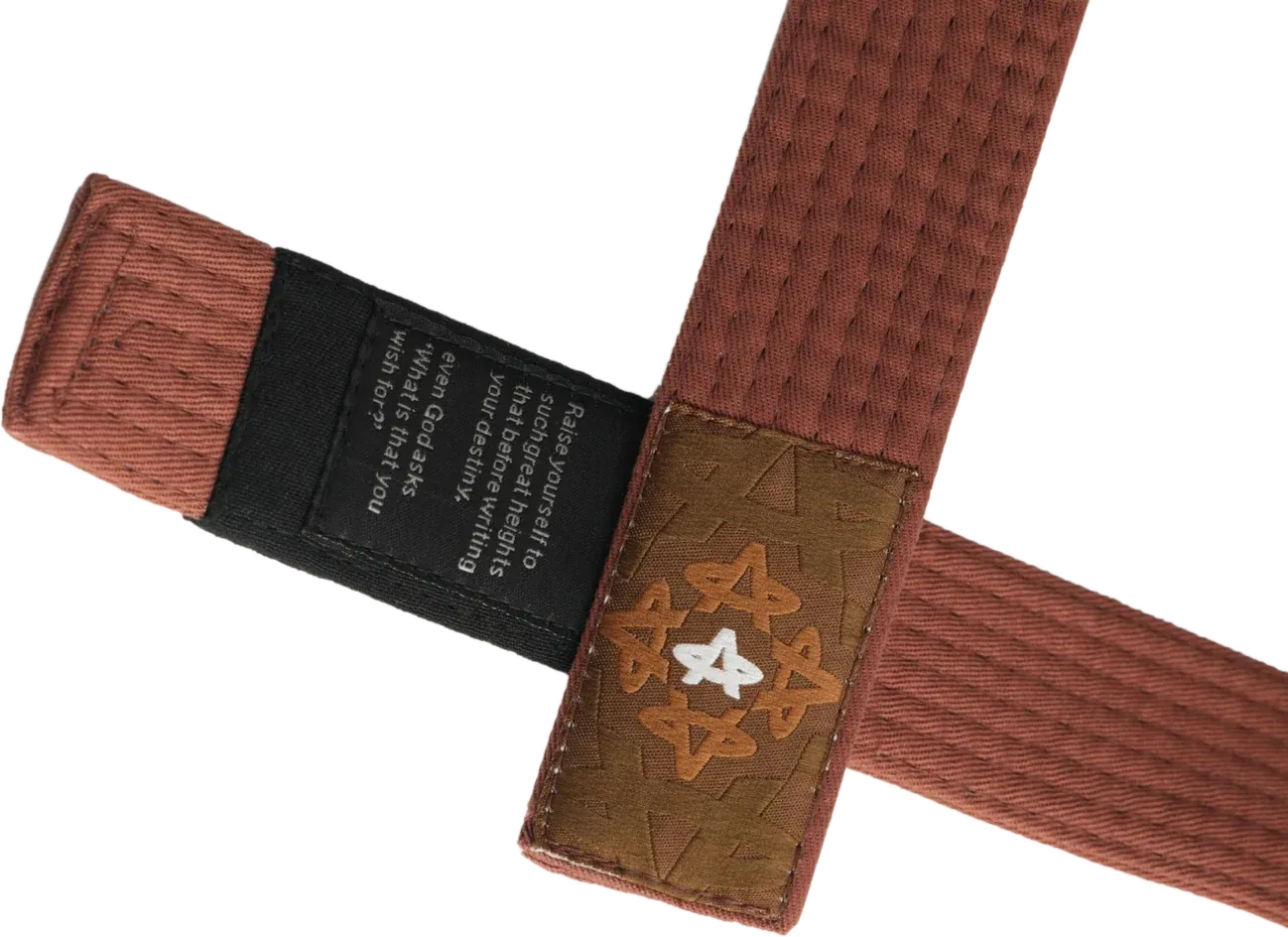
The adult BJJ belt order is white, blue, purple, brown, black, then coral and red belts decades later. Kids aged 4 to 15 have their own grey, yellow, orange and green belts. Black belt usually takes six to ten years of steady training; the IBJJF minimum times add up to four and a half.
The order at a glance
The IBJJF minimums below come from its General System of Graduation (June 2026). The last column is a rough range for adults who train steadily, not a rule. It swings a lot with how often you’re on the mat and how your gym promotes.
- Grey4+
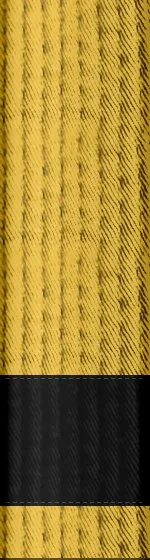
- Yellow7+
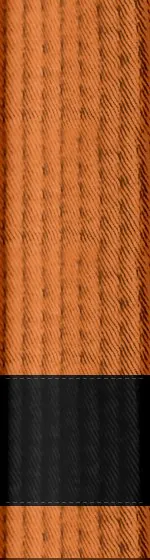
- Orange10+
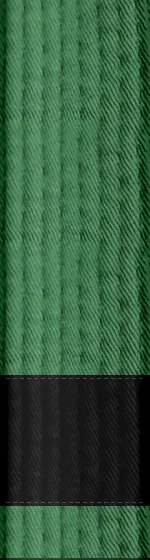
- Green13+

- WhiteAny
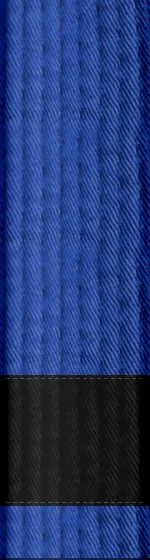
- Blue16+
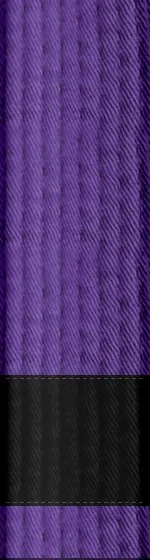
- Purple16+
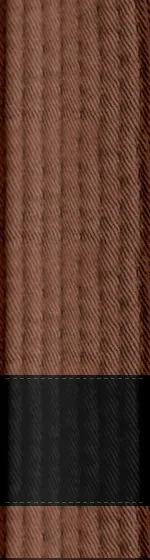
- Brown18+
- Black19+

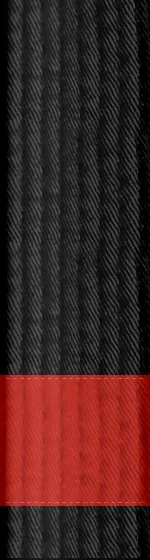
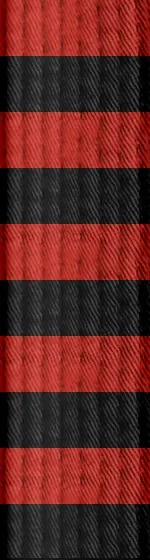
- Red & black49+
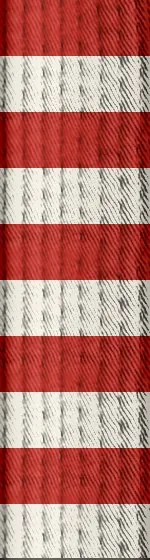
- Red & white56+
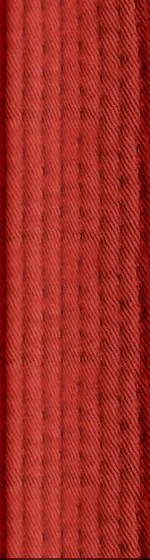
- Red66+
| Belt | IBJJF minimum age | IBJJF minimum time at the belt | Typical time at the belt |
|---|---|---|---|
| White | Any age | None | 1–2 years |
| Blue | 16 | 2 years | 2–3 years |
| Purple | 16 | 1½ years | 2–3 years |
| Brown | 18 | 1 year | 1–2 years |
| White to black | 4½ years | 6–10 years | |
| Black | 19 in practice (18 only for an Adult World Champion at brown) | 31 years, fixed, before red-and-black | A career |
| Red-and-black (coral, 7th degree) | 49 | 7 years, fixed | — |
| Red-and-white (8th degree) | 56 | 10 years, fixed | — |
| Red (9th and 10th degree) | 66 | No set time | — |
The minimums are shorter for people who came up through the kids belts, or who win an Adult World Championship at their belt. From black belt up the IBJJF times are fixed, not minimums: you stay at each rank for exactly that long.
Stripes: what they mean, and why they aren't standardised
The IBJJF splits white, blue, purple and brown into four degrees, the stripes on the black bar. Then it hands the whole thing to your professor: below black belt, using stripes at all is the professor’s call. So one gym tapes a stripe every few months, another gives them out twice a year, another doesn’t bother. A three-stripe blue from one academy tells you almost nothing about a three-stripe blue from another. The belt colour is the part that travels.
Kids belts, ages 4–15
Under 16, the IBJJF runs thirteen belts. Each colour after white comes in three: with a white bar through it, solid, and with a black bar.
- White: any age.
- Grey (grey-and-white, grey, grey-and-black): ages 4–15.
- Yellow (yellow-and-white, yellow, yellow-and-black): ages 7–15.
- Orange (orange-and-white, orange, orange-and-black): ages 10–15.
- Green (green-and-white, green, green-and-black): ages 13–15.
There’s no minimum time at any kids belt. At 16 a kid moves into the adult system: grey, yellow and orange belts become blue, a green belt becomes blue or purple at the professor’s call, and a white belt can stay white.
How long each belt takes
Add up the typical column and you get six to ten years from your first class to black belt. Train twice a week with long gaps and you’ll sit at the slow end or past it. Train most days at a gym that promotes close to the IBJJF minimums and you can land near the fast end. Outside the exceptions above, the IBJJF won’t register a black belt reached in under four and a half years.
Blue belt carries the longest IBJJF minimum of any adult belt below black: two years.
Just starting out? Our white belt guide covers the first rank on its own: what to wear, how to tie the belt, stripes, and a first tournament.
What gets you promoted
There’s no IBJJF exam. How long you take from white to black is your professor’s decision, and the IBJJF only steps in to check the minimums before it registers the grade. Some gyms run formal gradings with a syllabus. Plenty just call you up at the end of class. Either way, it’s one person’s judgement of how you roll and how you train.
If you want your rank to count at IBJJF events, it has to be signed off by a black-belt professor affiliated with the IBJJF. A promotion to black belt needs a professor holding at least two certified degrees.
Black belt degrees, coral and red
Black belt has six degrees. Past that come the coral belts and then red. Each step needs a set number of years of recorded activity at black belt under the IBJJF:
| Rank | Years at black belt |
|---|---|
| 1st degree | 3 |
| 2nd degree | 6 |
| 3rd degree | 9 |
| 4th degree | 14 |
| 5th degree | 19 |
| 6th degree | 24 |
| 7th degree, red-and-black (coral) | 31 |
| 8th degree, red-and-white | 38 |
| 9th degree, red | 48 |
| 10th degree, red | Given only to the art’s founding pioneers |
Put the ages next to it and a red belt is someone who has spent most of a lifetime at black: the IBJJF minimum age for red is 66.
Competition belts: width, bar and knot
At an IBJJF event the belt is checked at the mat along with the gi. The IBJJF uniform page asks for:
- A durable belt 4 to 5 cm wide, in your rank colour.
- A black tip (the rank bar). On a black belt the tip is white or red.
- Worn over the top, twice round the waist, tied with a double knot tight enough to hold the jacket closed.
- Once tied, each end hanging 20 to 30 cm.

One catch nobody mentions: the IBJJF’s own graduation document gives a different width for adult belts, 3.5 to 4.5 cm, with the bar about 10 cm long and 2 to 3 cm from the end. A belt between 4 and 4.5 cm wide meets both. The rest of what gets checked at the mat is in our IBJJF gi requirements guide, and how the weigh-in works is in IBJJF weight classes.
The part everyone gets wrong: stripes aren't a countdown
Four stripes doesn’t mean the next belt is due. The IBJJF leaves stripes to your professor, and plenty of gyms give no stripes at all, so there’s no rule that says four stripes then promotion. A four-stripe white belt can wait another year. A two-stripe blue can get called up. The minimum times still apply to anyone who wants the rank registered, whatever the tape says.
Our recommendation
Competing? Measure your belt’s width and check the bar before you pack it. The check happens at the mat, not online, and a belt outside the rule is a problem you find out about when it’s too late to fix. Aim for 4 to 4.5 cm, which passes under both IBJJF documents. While you’re packing, check the gi against the IBJJF sleeve and trouser rules too: our gi size guide covers the fit.
Frequently asked questions
What is the belt order in BJJ?
For adults: white, blue, purple, brown, black, then red-and-black (coral), red-and-white and red. Kids aged 4 to 15 go through white, grey, yellow, orange and green, each colour in three versions, before moving to the adult belts at 16.
How many belts are there in BJJ?
The IBJJF lists eight ranks from age 16: white, blue, purple, brown, black, red-and-black, red-and-white and red. Kids aged 4 to 15 have thirteen belts: white plus three versions each of grey, yellow, orange and green.
How long does each BJJ belt take?
Roughly 1–2 years at white, 2–3 at blue, 2–3 at purple and 1–2 at brown: six to ten years to black for steady training. The IBJJF minimums are none at white, 2 years at blue, 1½ at purple and 1 at brown.
What comes after black belt in BJJ?
Six degrees on the black belt, then the red-and-black (7th degree) and red-and-white (8th degree) coral belts, then red (9th and 10th). Under the IBJJF, red-and-black comes after 31 years at black belt, and the minimum age for red is 66.
What are the kids belts in BJJ?
White, then grey (from 4), yellow (from 7), orange (from 10) and green (from 13), each in white-bar, solid and black-bar versions. At 16, grey, yellow and orange belts become blue, and green becomes blue or purple.
How many stripes before the next belt?
Up to four on white, blue, purple and brown, but it isn’t a rule. The IBJJF leaves stripes to the professor, so some gyms promote before the fourth stripe and some don’t use stripes at all.
Shop this
Related guides
- 01BJJ White Belt: How Long It Lasts, What to Wear, and Your First TournamentVol. 01 · 7 min
- 02IBJJF Gi Requirements: Is Your Gi Competition-Legal?Vol. 02 · 6 min
- 02IBJJF Weight Classes: Every Division, and Why You Weigh In Wearing the GiVol. 02 · 5 min
- 05Gi vs No-Gi BJJ: The Real Differences, and Which to Train FirstVol. 05 · 5 min
- 04BJJ Gi Size Chart & Calculator: Find Your Fit by Height & WeightVol. 04 · 5 min