IBJJF Gi Requirements: Is Your Gi Competition-Legal?
Short answer: an IBJJF-legal gi must be a single solid color — white, royal blue, or black — in cotton or a cotton-like weave that isn’t too thick to grip, with the jacket, pants, and collar all the same color, and sleeves and pants that pass the measurement check.
White, royal blue or black. One color: jacket, pants and collar all match.
Sleeves within 2 cm of the wrist, arm straight out. Pants within 2 cm of the ankle bone.
Cotton or cotton-like, not too thick to grip. Patches sewn on, only where the rulebook allows.
Get any one of those wrong and a referee can bench you at weigh-in, no matter how good your jiu-jitsu is. Rules get tweaked, so always confirm against the current rulebook at ibjjf.com before a tournament. Below: each rule, the part that catches people out, and a checklist you can run at home.
Legal colors (this is what most people get wrong)
- Is a white gi legal? Yes.
- Is a royal blue gi legal? Yes — but it has to be royal blue, not navy or light blue.
- Is a black gi legal? Yes.
That’s the whole list: white, royal blue, black. No grey, no navy, no camo, no two-tone. The rulebook also checks that the jacket and pants are the same color and that the collar matches the jacket, so a contrast collar is exactly what the inspector is looking for.
- White
- Royal blue
- Black
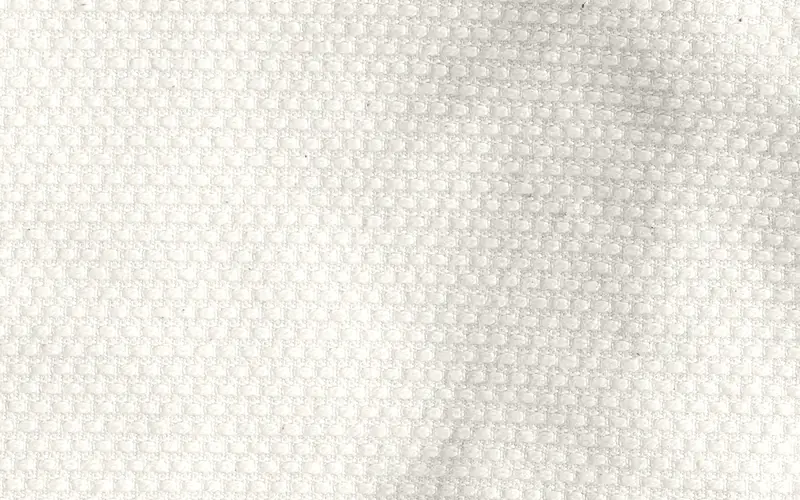
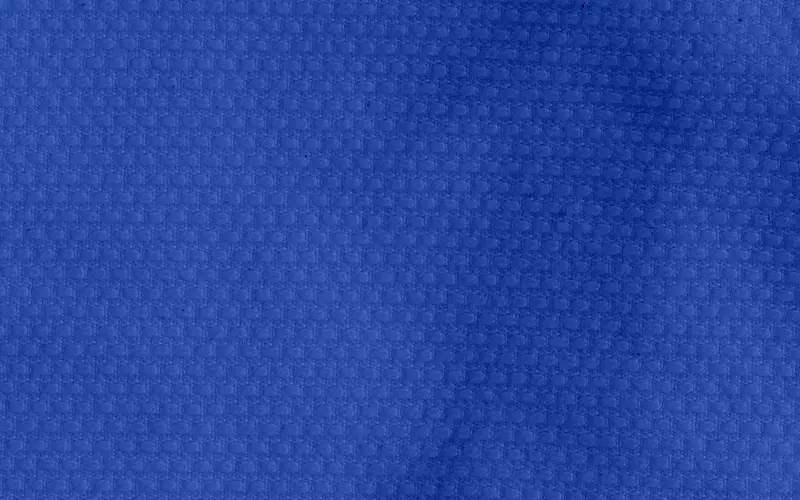
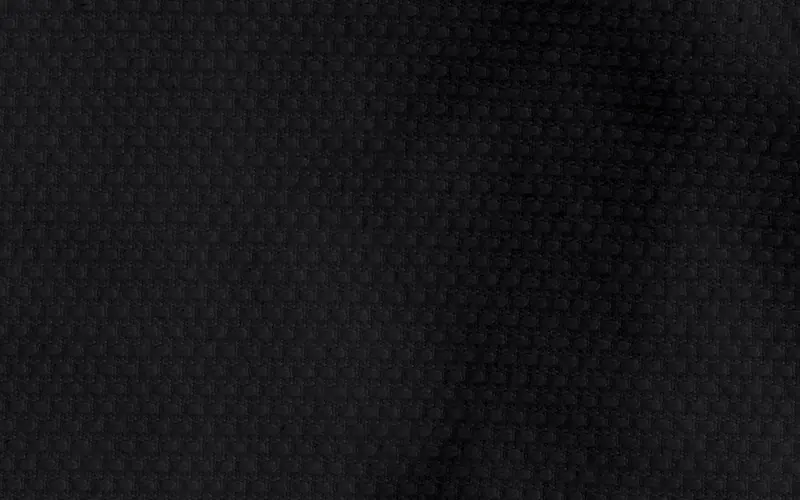
Every gi of ours that passes the check sits in the Comp-Ready section: the plain ones, and a few of the loud ones in black.
Fabric and weight
The gi has to be cotton or a cotton-like weave, in good condition, and not so thick or hard that it stops your opponent gripping — that last part is the real rule. There’s no official GSM number in the rulebook; the requirement is about weave and thickness. In practice, standard weights (roughly 350–550 GSM) pass fine, and a pearl weave is the safe default. Our gis are 450 GSM pearl weave, pre-shrunk — comfortably inside that range, light enough to make weight, durable enough to survive the bracket. Every IBJJF weight limit includes the gi, so weigh yourself in it: the divisions are in our IBJJF weight classes guide.
The fit rules that fail people at weigh-in
Referees physically measure your gi with a marked tool. The exact checks:
- Jacket reaches your thigh.
- Sleeves come within 2 cm of your wrist with your arm extended straight out — and the sleeve opening is at least 7 cm wide.
- Pants reach within 2 cm of your ankle bone.
- Collar no wider than 5 cm and no thicker than 1.3 cm.
This is the most common reason a gi that’s “legal on paper” gets rejected: it’s been shrunk past the 2 cm line, or it never fit right to begin with. If you’re between sizes or long-limbed, a too-short sleeve is an instant fail — which is why getting the size right (or ordering custom) matters before comp day, not the night before.
Patch rules: where patches can go
Patches are allowed, but only in the authorized regions drawn in the IBJJF rulebook, and they have to be cotton and properly sewn on. No stick-ons. At the check, inspectors remove any patch that isn’t sewn down or sits outside those regions.
Paint is stricter. The rulebook bans painted gis unless the paint is an academy or sponsor logo. Sewing on your academy’s patches yourself? Lay the gi next to the diagram in the current rulebook before the first stitch, not after.
The belt and the state of the gi
Your belt has to match your actual rank and be tied properly. The gi gets a once-over too: no tears, no mending, not wet or dirty, no smell. A knee you’ve stitched back together counts as mending.
How to check any gi before a tournament
A tape measure and a teammate. Do it a week out, after the gi has been washed and dried the way it will be on the day. Shrinking is how a gi that passed in the shop fails at weigh-in, so the check you did on the new gi doesn’t count. Ours are pre-shrunk. Check anyway.
- Check the color in daylight. White, royal blue or black. Blue has to be royal blue: navy and light blue don’t meet the rule. Look at it outside, not under gym lights.
- Look for a second color. Jacket and pants have to be the same color, and the collar has to match the jacket. A contrast collar, panel or pair of pants is exactly what the check looks for. If yours has contrast stitching or trim, read the current rulebook before you rely on it.
- Measure the sleeves with your arm out. Jacket on, one arm held straight out and parallel to the floor. Have a teammate measure from the end of the sleeve to your wrist: 2 cm or less. The sleeve opening has to be at least 7 cm wide.
- Measure the pants standing up. Barefoot, standing straight. The hem has to reach within 2 cm of your ankle bone.
- Check the jacket and collar. The jacket reaches your thigh. The collar is no wider than 5 cm and the lapel no thicker than 1.3 cm. A ruler settles it.
- Check every patch. Cotton, properly sewn on, and inside the regions drawn in the IBJJF rulebook. No stick-ons. Inspectors remove any patch that isn’t sewn down or sits outside those regions.
- Check the fabric and its condition. Cotton or a cotton-like weave, not so thick or stiff that nobody can grip it. No tears, no mending. Bring it clean and dry.
IBJJF also sells a Gi Checker gauge through its shop, if you’d rather check the collar, lapel and sleeve opening with a gauge than a ruler.
The bottom line
For competition, keep it simple: a solid white, royal blue, or black gi, sized so the sleeves and pants pass the 2 cm check, patches sewn only where the rulebook allows, in good condition. Run the checklist a week out, after a wash. The night before is too late to fix a short sleeve.
Frequently asked questions
What colors are IBJJF-legal for a gi?
Only three: white, royal blue, and black. The gi must be a single solid color — jacket, pants, and collar all matching. Blue has to be royal blue; navy, light blue, grey and two-tone gis don’t meet the color rule.
Is a black gi IBJJF-legal?
Yes. Black is one of the three approved colors (with white and royal blue), as long as the whole gi is solid black — including the collar — and it meets the fabric and measurement rules.
What GSM does an IBJJF gi need to be?
The rulebook doesn’t specify a GSM. The requirement is that the fabric is cotton or cotton-like and not too thick or hard to grip. Standard weights of roughly 350–550 GSM pass fine — our 450 GSM pearl weave sits comfortably in that range.
Why do gis fail the IBJJF check at weigh-in?
Most often it’s the measurements — sleeves or pants too short after shrinking, or a gi that never fit right. Referees measure that the sleeves and pants each come within 2 cm of the wrist and ankle. A color outside the three, or a collar that doesn’t match the jacket, will also get a gi sent back.
Where can patches go on an IBJJF gi?
Only in the authorized regions drawn in the IBJJF rulebook. Patches have to be cotton and properly sewn on — stick-ons don’t count — and inspectors remove any patch that isn’t sewn down or sits outside those regions. Paint is only allowed as an academy or sponsor logo. Check the diagram in the current rulebook on ibjjf.com before you sew anything on.
How does the IBJJF check your gi?
Gi inspectors check the official measurements: collar width 5 cm, lapel thickness 1.3 cm, sleeve opening 7 cm. They also look at sleeve and pant length (within 2 cm of the wrist and ankle bone), color, patches, and condition — no tears, no mending, nothing wet or dirty. You can run every one of those checks at home before the tournament.
Shop this
- 01Shop IBJJF-legal gisWhite, royal blue or black · 450 GSM pearl weave
- 02Blackout — black giSolid black, IBJJF-legal, 450 GSM
- 03Bloodwork — white giSolid white, IBJJF-legal, 450 GSM
- 04Reign Maker — royal blue giSolid royal blue, IBJJF-legal, 450 GSM
- 05Check your size firstPass the sleeve/pant measure — get the fit right
Related guides
- 02IBJJF Weight Classes: Every Division, and Why You Weigh In Wearing the GiVol. 02 · 5 min
- 03How to Choose a BJJ Gi: Fit, Weave and GSM, Explained for BeginnersVol. 03 · 7 min
- 05Gi vs No-Gi BJJ: The Real Differences, and Which to Train FirstVol. 05 · 5 min
- 01BJJ Belt Order: Every Rank from White to Red, and How Long Each TakesVol. 01 · 6 min