BJJ White Belt: How Long It Lasts, What to Wear, and Your First Tournament
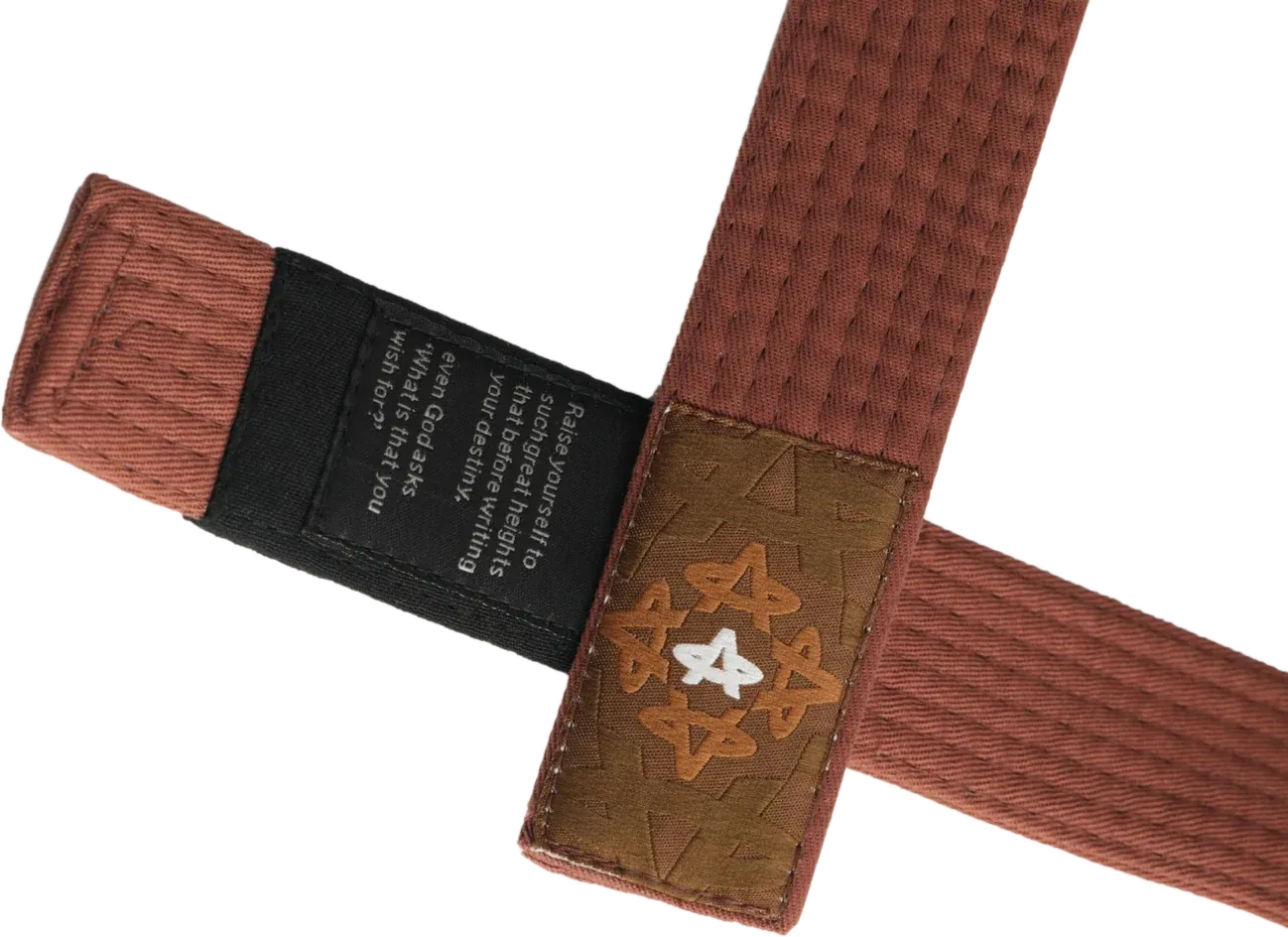
White belt is the first rank in BJJ, and the IBJJF sets no minimum time for it: you move to blue when your professor promotes you, from age 16. For adults who train steadily that usually takes one to two years. Stripes on the way are your gym’s system, not a rule.
What white belt actually is
Everyone starts here, at any age. The IBJJF’s graduation rules put it in five words: “White Belt: No minimum time.” Nobody gets tested out of it on a calendar. Your professor decides when you’re a blue belt, and the IBJJF only steps in if you want the rank registered, to check you’re at least 16.
What it feels like is another matter. The first months are mostly surviving: getting flattened, tapping to things you didn’t see coming, and working out that the person half your size is winning because of where they put their hips. That’s the belt. The whole job is learning to be less wrong in bad positions.
What to wear on day one
- A gi that fits. Ask whether your gym lends one for a first class. Once you’re buying, fit matters more than anything else about it (see the check below).
- A white belt. Some gyms hand one out, some expect you to bring it.
- A rash guard or fitted T-shirt under the jacket. For men it’s down to the gym. For women competing at IBJJF events it’s required: “a stretchy or elastic shirt that hugs the body beneath the GI.”
- Sandals for off the mat, short nails and nothing in your pockets. The mat is where people put their faces.
Ours is the AA White Belt: $35, sizes A0 to A4, 8-row stitching, and words from the poet Iqbal hidden in black at one end.
Check your first gi before you trust it
The chart gets you close. The sleeves are what to check. At IBJJF events the sleeve has to reach within 2 cm of your wrist with your arm held straight out, and the trousers within 2 cm of your ankle bone. Here’s what our gis measure, finished and laid flat:
| Size | Cuff to cuff | Jacket chest | Trouser length |
|---|---|---|---|
| A0 | 150 cm | 48 cm | 92 cm |
| A1 | 162 cm | 54 cm | 94 cm |
| A1L | 170 cm | 54 cm | 99 cm |
| A2 | 170 cm | 58 cm | 99 cm |
| A2L | 180 cm | 58 cm | 105 cm |
| A3 | 180 cm | 64 cm | 105 cm |
| A3L | 186 cm | 64 cm | 110 cm |
| A4 | 186 cm | 68 cm | 110 cm |
| A5 | 192 cm | 72 cm | 114 cm |
So if your sleeves stop short, the fix is the Long cut at the same number, not the next size up. An A1 that’s short in the arm becomes an A1L: 8 cm more cuff to cuff, same 54 cm chest. Go to A2 instead and you get the same 8 cm plus a jacket 4 cm looser across the chest, which is the baggy white belt look nobody means to have.
A rough check before you order: arms straight out to the sides, have someone measure wrist bone to wrist bone across your back. If that’s well past the cuff-to-cuff number for your size, expect short sleeves and look at the Long column. A flat gi and a body in a jacket aren’t the same thing, so the real test is still the jacket on, arm out, a tape. The women’s F-series has its own measurements on each size page, and the full charts are in the gi size guide. Buying the gi itself? How to choose a BJJ gi covers the rest.
How to tie a BJJ belt
The IBJJF version, which is also the one that stays tied through a round: over the jacket, twice round the waist, a double knot, ends hanging 20 to 30 cm.
- Find the middle. Hold the belt by its middle and put that against your stomach, over the closed jacket, left lapel over right.
- Wrap it twice. Take both ends round your back, cross them and bring them back to the front, so the belt goes round your waist twice.
- Tuck one end under. Take the end that sits on top and tuck it up under both layers of the belt at the front.
- Tie the double knot. Tie the two ends together: right over left, then left over right. Pull it tight enough to hold the jacket closed.
- Check the ends. Each end should hang 20 to 30 cm. If they come out uneven, untie it and re-centre the belt before step 1.
If the knot keeps coming loose mid-roll, it’s usually the tuck in step 3 that got skipped. The belt then has one layer holding the knot instead of two.
Stripes, and when blue comes
The IBJJF gives white belt four degrees, the stripes on the black bar, and leaves using them to your professor. Some gyms stripe every few months, some twice a year, some never. There’s no rule that four stripes means blue is next, and no IBJJF exam for it.
Blue needs your professor’s call and, for the IBJJF, an age of 16. Under 16, kids move through the grey, yellow, orange and green belts instead. The whole order, with the minimum times at every belt, is in our BJJ belt order guide.
Your first tournament at white belt
White belts can compete at IBJJF events. Four things to know before you register:
- Leg locks are mostly off. At IBJJF events a white belt can use the straight foot lock. Knee bars, toe holds, calf slicers and heel hooks are illegal, and so are wrist locks. Other organisations run their own rules, so read the event’s.
- You weigh in wearing the gi, once, right before your first match. Miss the limit and you’re out. Divisions are in IBJJF weight classes.
- The gi gets checked first: white, royal blue or black, one colour, sleeves and trousers inside the 2 cm lines. The full list is in the IBJJF gi requirements guide.
- The belt gets checked too. Tie it as above and bring the one that matches your rank.
The part everyone gets wrong: buying big to grow into
New white belts size up on purpose, because it’ll shrink or because they’ll fill it out. A pre-shrunk gi doesn’t shrink into your size, and a jacket that’s too big hands your training partners extra cloth to grip for the next two years. Buy the size that fits the body you have now, and use the cut to fix length or width.
Our recommendation
Spend your first month on fit, not gear. Borrow or buy one gi, check the sleeves with your arm out, and fix a short sleeve with the Long cut instead of a bigger size. Then stop thinking about kit and start turning up. The belt changes colour when you’ve been on the mat long enough, not when you’ve bought enough.
Frequently asked questions
How long is white belt in BJJ?
The IBJJF sets no minimum time at white belt; your professor decides when you’re ready for blue, and you have to be 16 for the IBJJF to register it. For adults who train steadily, one to two years is typical.
Do white belts get stripes?
Often. The IBJJF allows four stripes on a white belt but leaves using them to your professor, so some gyms stripe regularly, some rarely and some not at all. Four stripes doesn’t guarantee a blue belt is next.
What should I wear to my first BJJ class?
A gi and white belt if you have them (ask your gym whether it lends them for a first class), a rash guard or fitted T-shirt under the jacket, and sandals for off the mat. Keep nails short and pockets empty.
How do you tie a BJJ belt?
Put the middle of the belt on your stomach over the closed jacket, wrap it twice round your waist, tuck the top end up under both layers, and tie a double knot: right over left, then left over right. The IBJJF wants each end hanging 20 to 30 cm.
Can white belts compete in BJJ tournaments?
Yes. IBJJF events run white belt divisions for adults and kids. You weigh in wearing your gi, the gi is checked for colour and fit first, and most leg locks are illegal at white belt, though the straight foot lock is allowed.
Are heel hooks legal at white belt?
Not at IBJJF events. White belts can use the straight foot lock, but heel hooks, knee bars, toe holds and calf slicers are illegal, as are wrist locks. Other organisations set their own rules, so check the event.
What size gi should a white belt buy?
The size that fits now, from your height and weight, with the cut for your build. If the sleeves come up short, go to the Long cut at the same number rather than the next size up: on our gis Long adds 6–10 cm cuff to cuff without widening the chest.
Shop this
Related guides
- 01BJJ Belt Order: Every Rank from White to Red, and How Long Each TakesVol. 01 · 6 min
- 03How to Choose a BJJ Gi: Fit, Weave and GSM, Explained for BeginnersVol. 03 · 7 min
- 02IBJJF Gi Requirements: Is Your Gi Competition-Legal?Vol. 02 · 6 min
- 02IBJJF Weight Classes: Every Division, and Why You Weigh In Wearing the GiVol. 02 · 5 min